Planning & Forecasting Engine
Financial Planning & Forecasting
Build and maintain financial models that reflect how your business operates — with structured planning across revenue, expenses, headcount, and cash flow.
• Driver-based financial modeling across key business areas
• Rolling forecasts aligned with operational assumptions
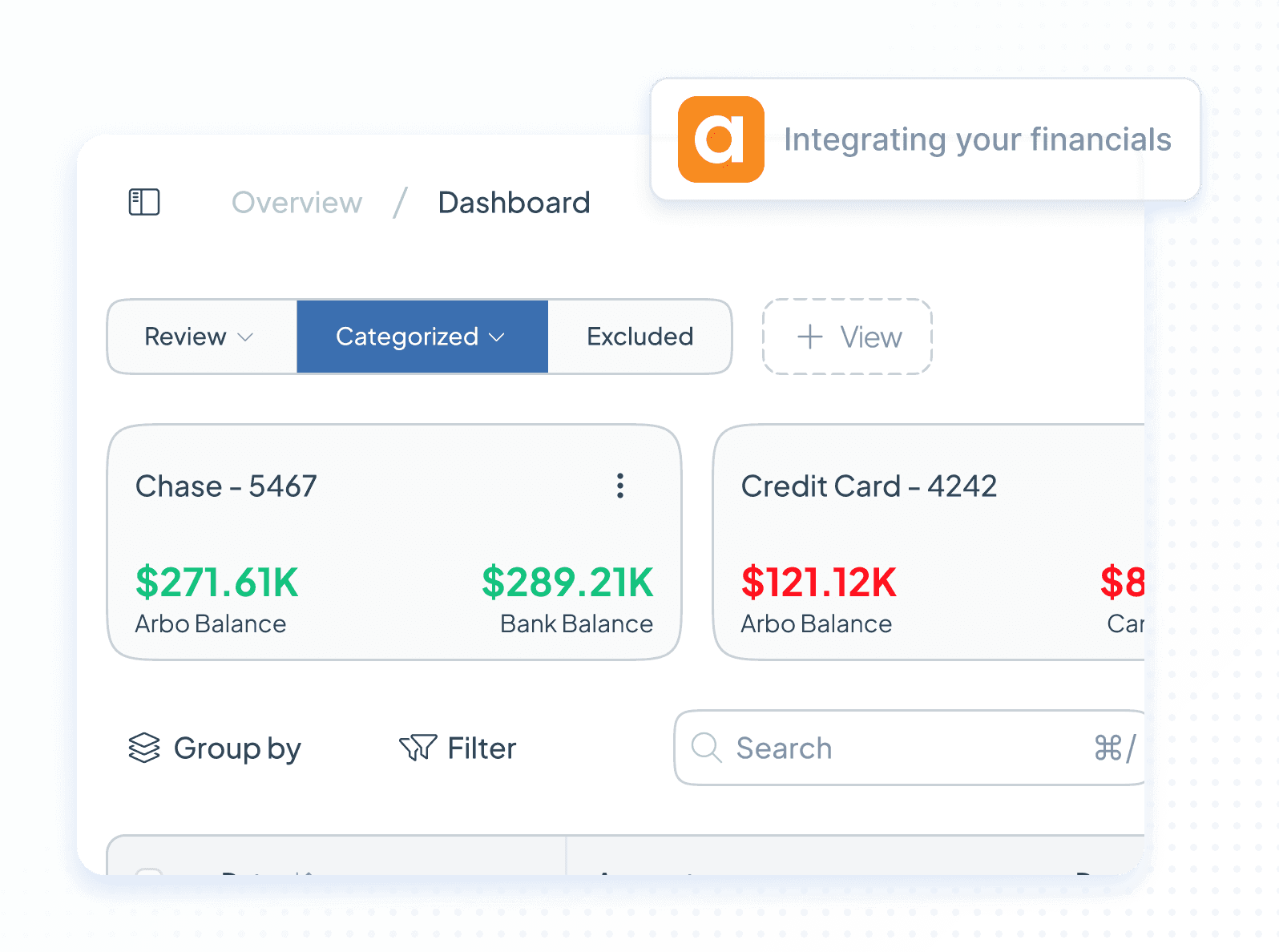
• Connected to underlying financial and accounting data
Why It Matters
Financial Models are Hard to Build—and Harder to Maintain
Most planning processes rely on spreadsheets that are disconnected from real data, difficult to update, and inconsistent across teams.

Planning models are disconnected from actual performance
Manual updates create inconsistencies between forecasts and financials results.

Building structured models takes significant time and expertise
Teams spend weeks setting up models instead of using them for decision-making.
Forefcasts become outdated quickly
Without a consistent framework, models break as assumptions change and the business evolves.
What is financial planning & Forecasting
A Structured Approach to Financial Modeling
Arbo’s Financial Planning & Forecasting enables teams to build structured financial models across revenue, expenses, headcount, and cash flow — all within a consistent framework.
Instead of managing fragmented spreadsheets, teams can maintain a centralized model that evolves with the business and supports ongoing forecasting and planning.
Revenue Modeling
Plan revenue based on how your business actually generates income — whether subscription, services, or custom models.
SaaS subscription modeling (MRR, ARR, churn, expansion)
Services and project-based revenue forecasting
Usage-based or hybrid revenue models
Assumption-driven growth inputs
Headcount Planning
Model hiring plans and compensation across departments with clear visibility into cost and impact.
Department-level hiring plans
Salary and compensation assumptions
Hiring timelines and ramp-up modeling
Integration with payroll-driven actuals (where applicable)

Expense Planning
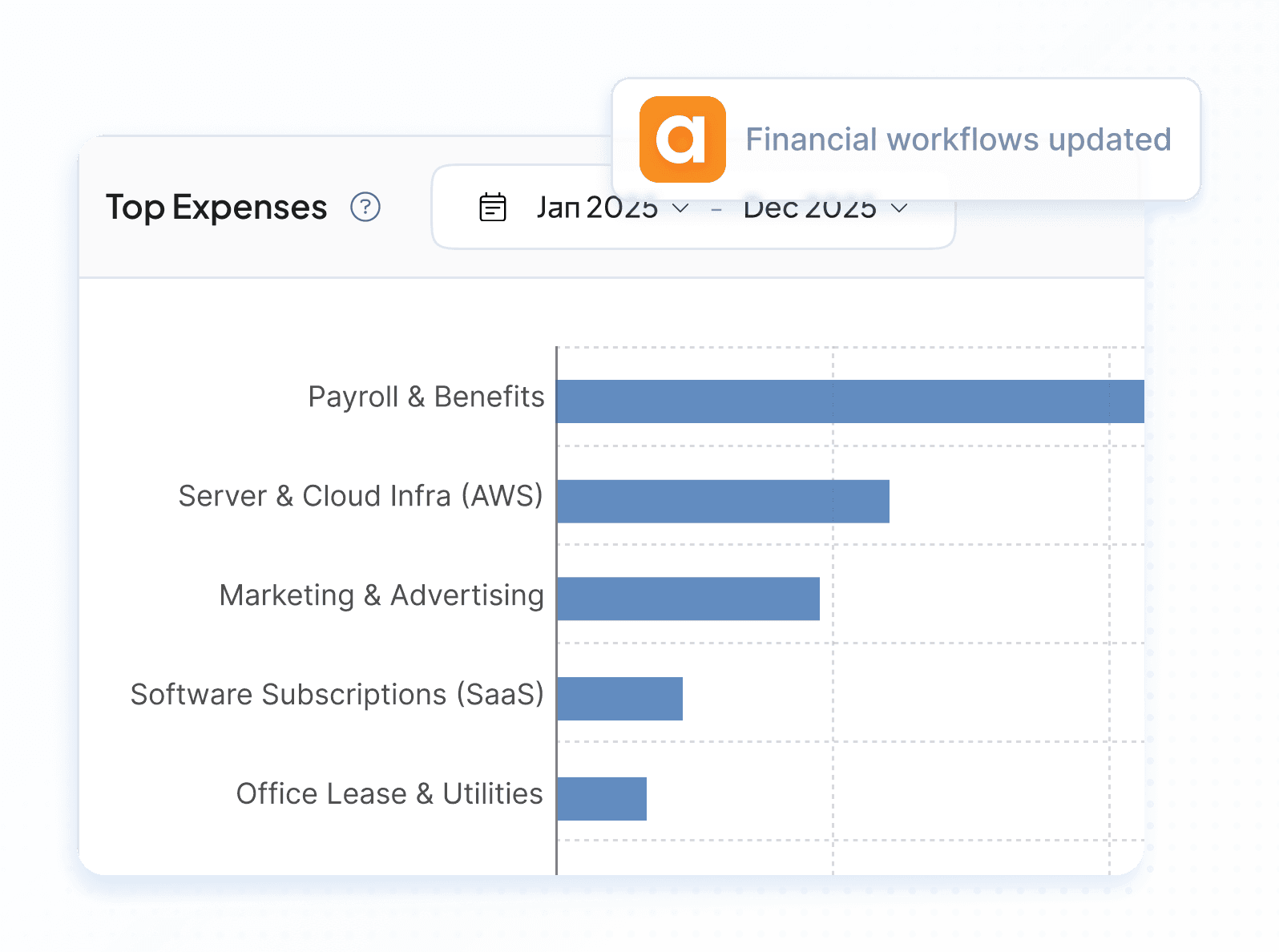
Track and forecast operating expenses with structured inputs and consistent assumptions.
Fixed and variable expense modeling
Department-level expense allocation
Recurring vs one-time cost tracking
Alignment with GL structure for reporting
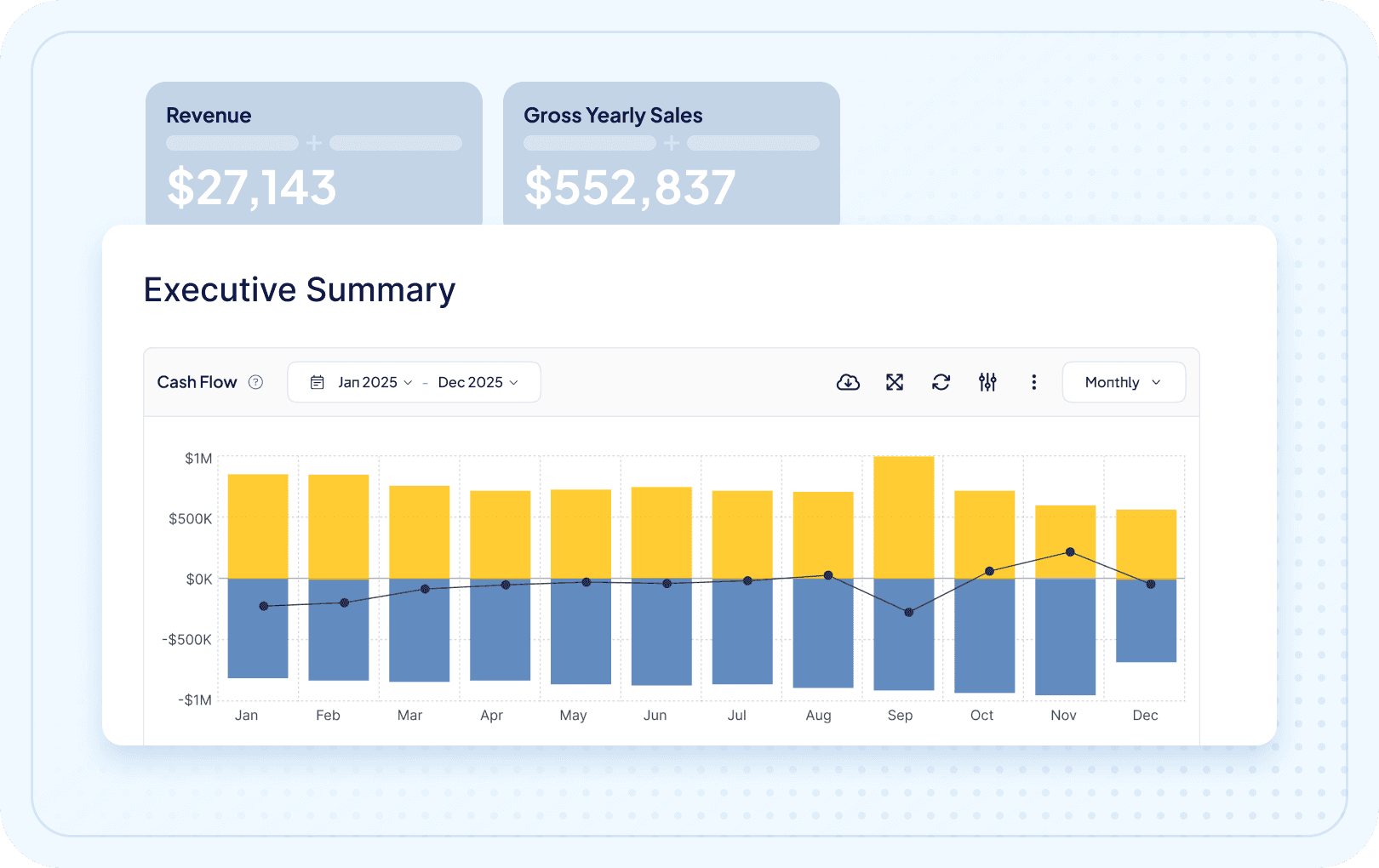
Cash Flow Forecasting
Understand how operational decisions impact liquidity and runway.
Cash inflow and outflow projections
Burn rate and runway tracking
Integration with AR/AP and payroll assumptions
Scenario-driven cash impact modeling
Rolling Forecasts
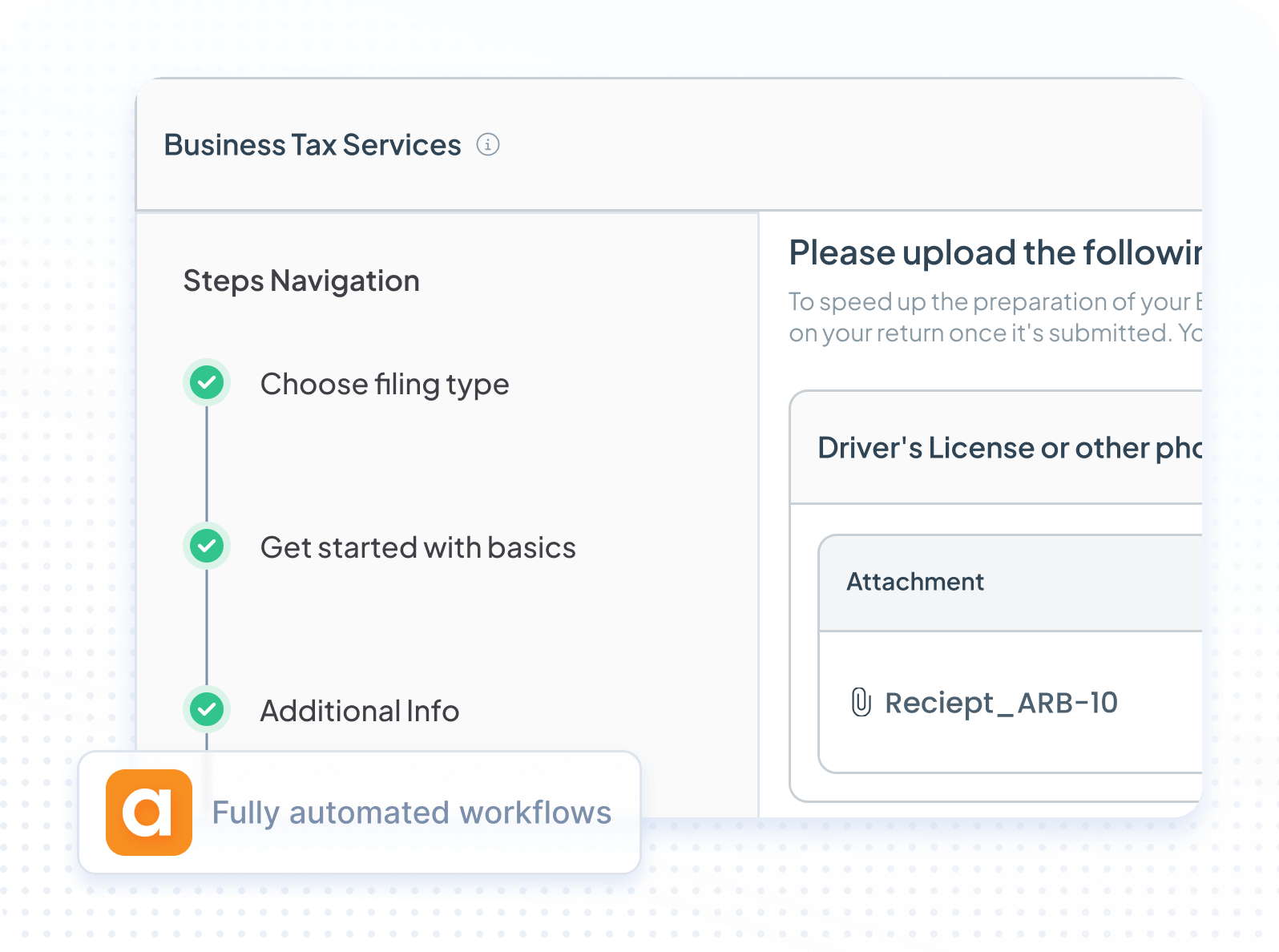
Maintain forward-looking projections that adapt as your business changes.
Monthly or quarterly forecast updates
Adjust assumptions without rebuilding models
Consistent framework across planning cycles
Regulated Finance
Built for Teams Managing Complex Financial Operations
Arbo supports planning across multiple entities, departments, and stakeholders — providing a consistent structure for financial modeling and forecasting.
Whether you’re managing internal finance operations or delivering planning across clients, Arbo helps standardize how financial models are built and maintained.


CFO & Finance Teams
Build and maintain structured forecasts for revenue, hiring, and cash — with clear visibility into assumptions and performance.

Accounting & CFO Firms
Create repeatable financial models across clients with consistent structure and reporting outputs.

SaaS & Growth Companies
Model revenue growth, hiring plans, and burn rate to support fundraising, expansion, and operational decisions.
Why It Works
Benefits You Can Measure
Consistent Financial Models
Standardize how planning is done across teams, departments, or clients.
Improved Forecast Accuracy
Faster Iteration and Updates
Infrastructure
Connected to Your Financial Data
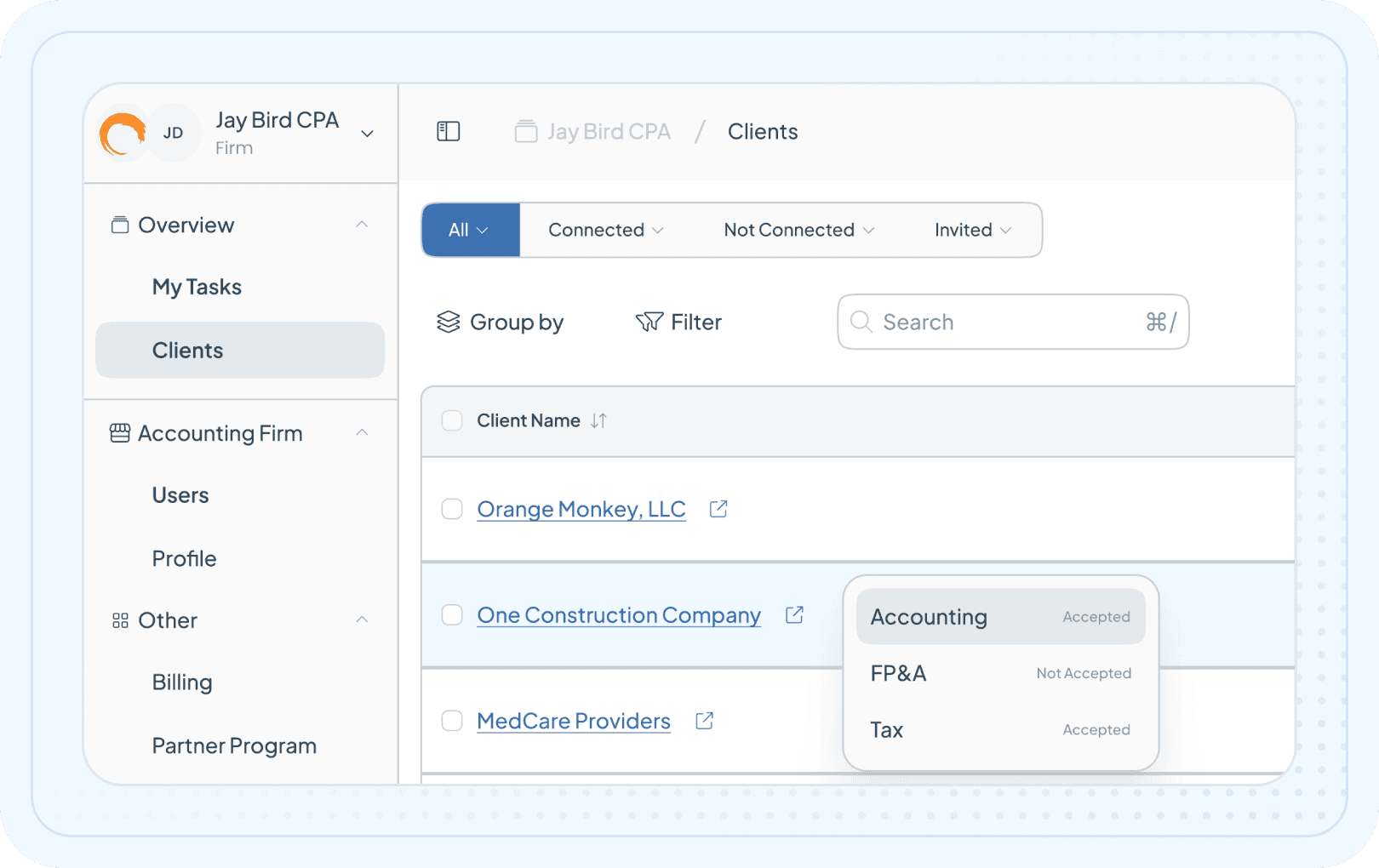
Integrated with Accounting and Data Sources
Planning models can align with underlying financial data, reducing manual updates and inconsistencies.
Scalable Across Entities and Teams
Support planning across multiple entities, departments, and reporting layers.

Build Financial Models That Scale with Your Business
Replace disconnected spreadsheets with a structured, centralized approach to planning and forecasting.