Ledger & Transactions
General Ledger & Close Readiness
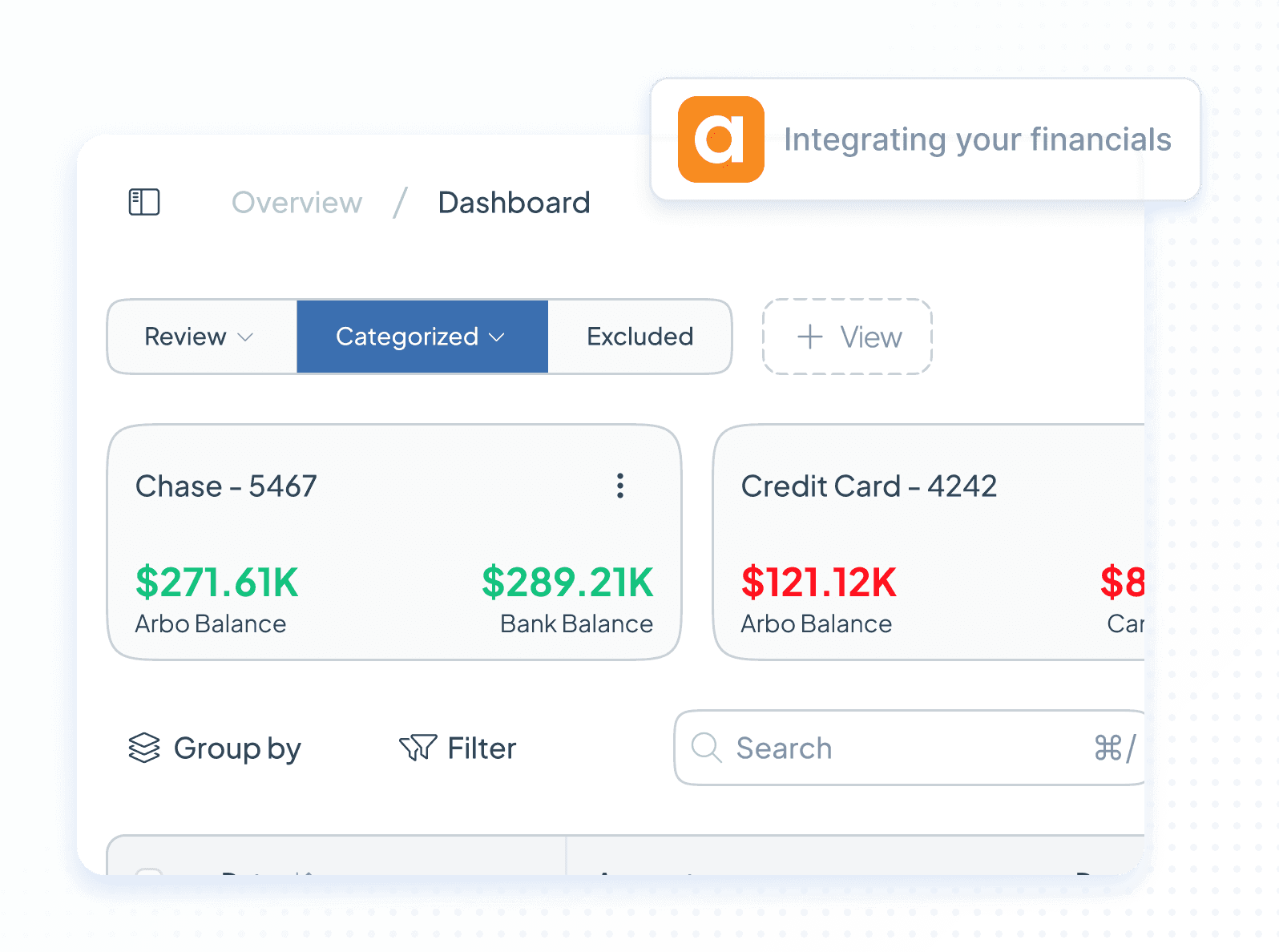
A modern general ledger built for accuracy, automation, and real-time financial visibility — designed to support faster, more reliable close processes.
• Centralized journal entries and transaction management
• Real-time financial data across accounts and entities
• Built to support structured, repeatable close workflows
Why It Matters
The General Ledger Is Still Manual and Fragmented
Finance teams rely on disconnected systems and manual processes to manage transactions and close the books — leading to delays, errors, and limited visibility.

Transactions are spread across multiple systems
Financial data lives in different tools, requiring manual consolidation and reconciliation.

Journal entries and adjustments are time-consuming
Teams rely on spreadsheets and manual workflows to manage entries, increasing risk of errors.
Close processes lack structure and visibility
Without a consistent framework, closing the books becomes slow, reactive, and difficult to scale.
WHAT IS GENERAL LEDGER & CLOSE READINESS
A Foundation for Accurate Financials and Faster Close
Arbo’s General Ledger provides a centralized system for managing financial transactions, journal entries, and account structures — forming the foundation for accurate financial reporting.
Built with close readiness in mind, the system supports structured workflows and consistent processes, helping teams maintain control over financial data as operations scale.
Transaction Management
Capture and manage financial activity across accounts in a structured and consistent way.
Centralized transaction records across all accounts
Categorization aligned with chart of accounts
Support for customer and vendor-linked transactions
Integration with external systems and data sources
Journal Entries & Adjustments
Create and manage journal entries with full visibility and control.
Standard and adjusting journal entries
Recurring entries and templates
Audit-ready entry history and tracking
Support for accruals, deferrals, and reclassifications

Chart of Accounts Structure
Maintain a flexible and scalable financial structure.
Customizable chart of accounts
Support for departments and classes
Alignment with reporting and FP&A models
Consistent structure across entities
Reconciliation Support
Ensure accuracy between financial records and underlying data.
Track account balances and discrepancies
Support reconciliation workflows across accounts
Align financial records with external systems (bank, payroll, etc.)
Close Readiness Framework
Prepare for faster and more consistent close cycles.
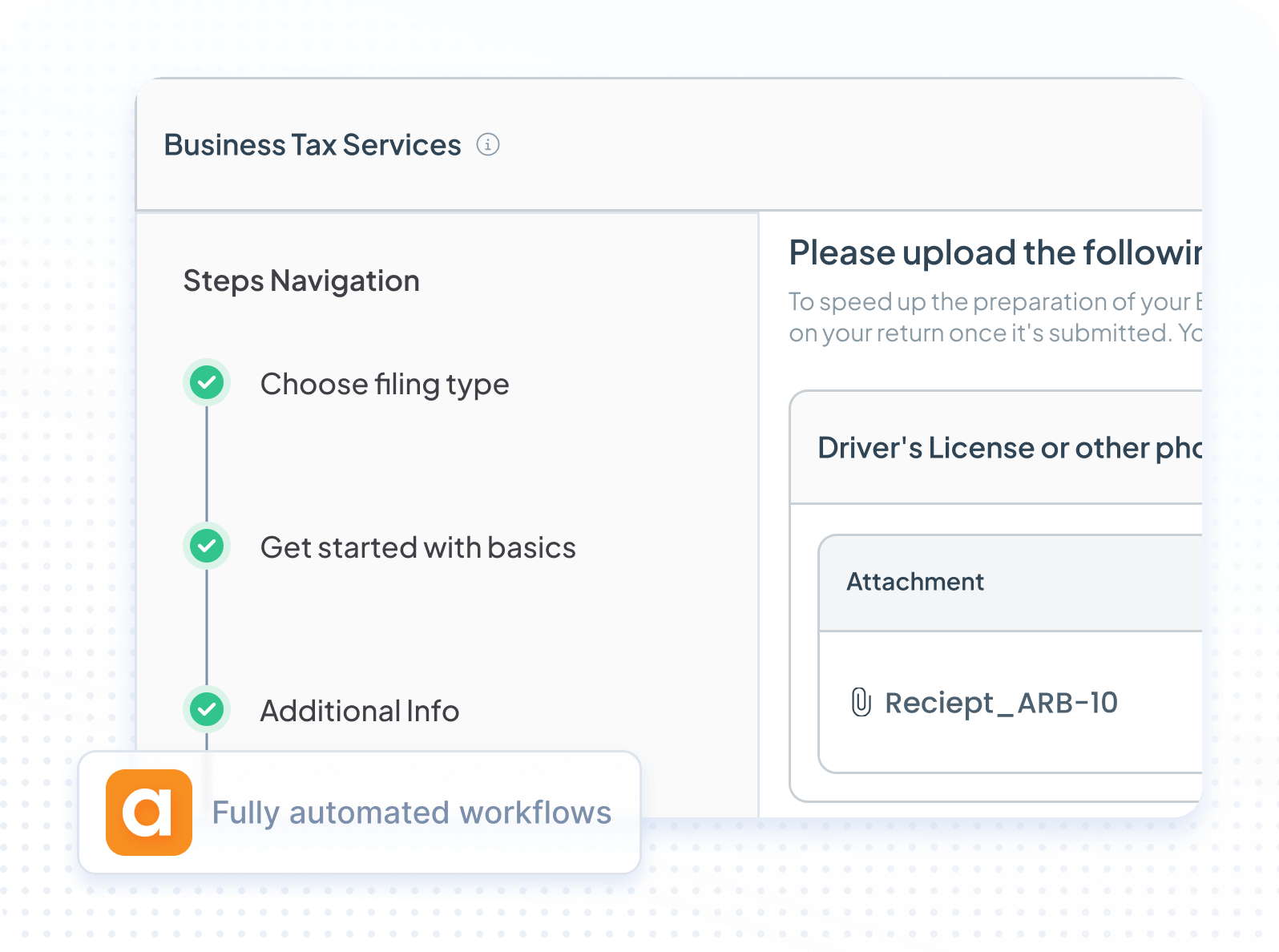
Structured workflows for closing activities
Visibility into outstanding tasks and adjustments
Consistent processes across periods and entities
Foundation for automated close (via Automated Close module)
Regulated Finance
Built for Multi-Entity and High-Volume Financial Operations
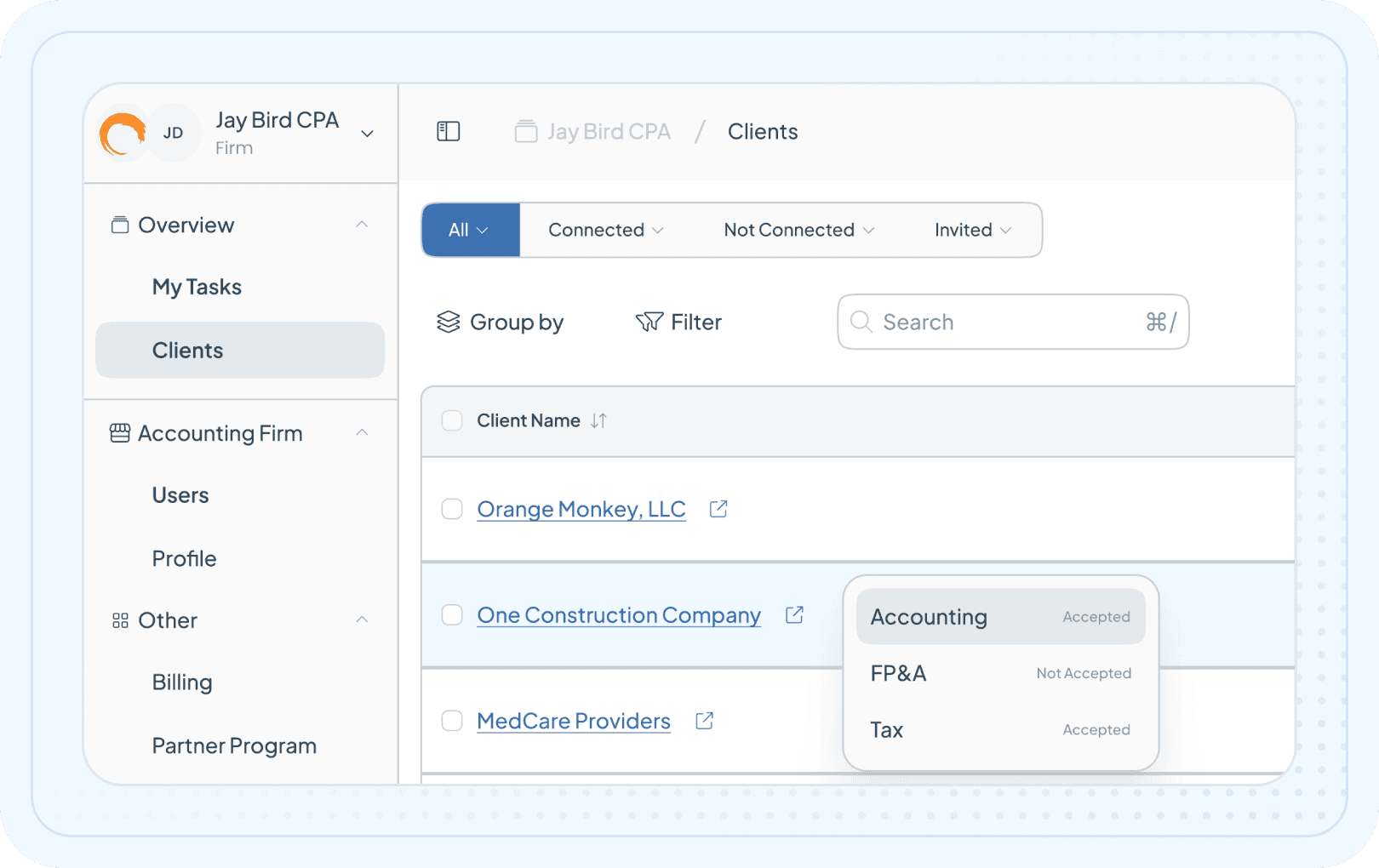
Arbo supports general ledger operations across multiple entities, departments, and reporting structures — providing a consistent financial foundation for growing organizations.
Whether you’re managing internal finance or multiple clients, Arbo ensures financial data remains structured, auditable, and scalable.


Finance Teams & Controllers
Maintain accurate financial records and prepare for faster, more reliable close cycles.

Accounting & CFO Firms
Manage books across multiple clients with consistent structures and workflows.

Multi-Entity Organizations
Standardize financial operations across subsidiaries and reporting entities.
Why It Works
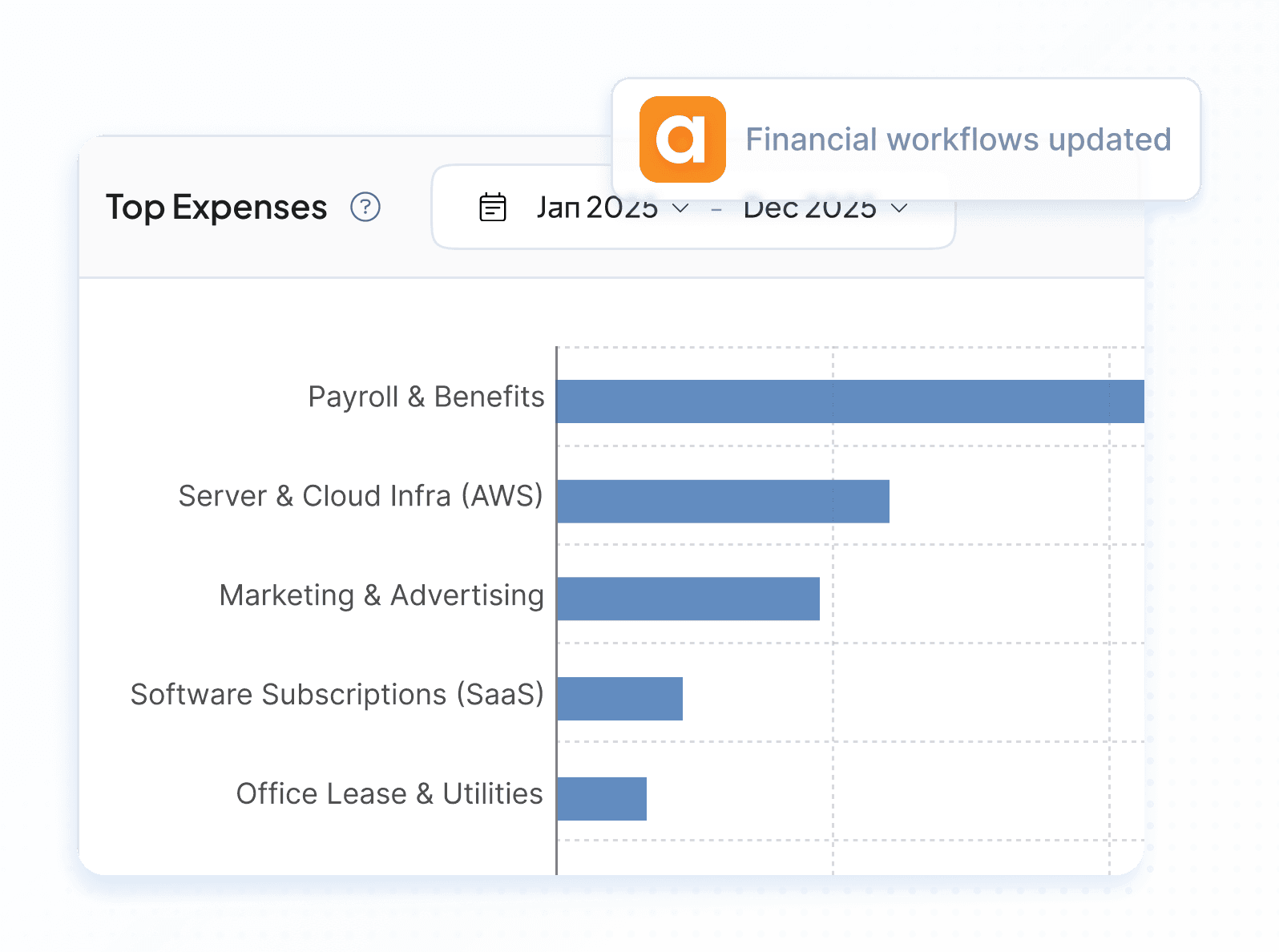
Accurate Financials Without Manual Complexity
Centralized Financial Data
Keep all transactions and journal entries in one system.
Improved Close Efficiency
Audit-Ready Records
Infrastructure
Built for Integration and Control
Connected to Financial Systems
Integrate with external systems (banking, payroll, billing) to maintain consistent financial records.
Structured for Scale
Support multi-entity, department-level, and high-volume transaction environments.

Build a Strong Foundation for Financial Operations
Manage transactions, maintain accurate records, and prepare for faster close — all within a structured general ledger system.